Table of Contents
Bernstein Weight Loss
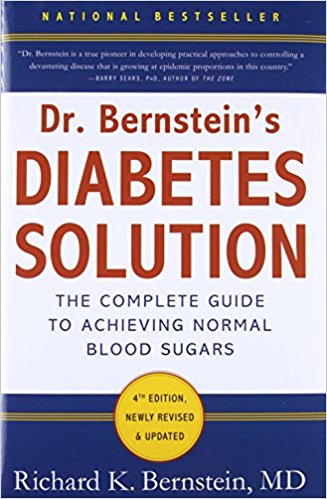
Note: This is a Bernstein Diet Review. Click here to visit The Bernstein Diet Site.
Well, here’s something that makes this review bittersweet: Dr. Richard Bernstein, the legendary diabetes pioneer who spent decades battling both the disease and the medical establishment’s stubborn attachment to high-carb diets, passed away on April 15, 2025, at age 90. The man who should have been dead by age 40 according to 1940s medical predictions outlived most of his critics by several decades, which honestly feels like the ultimate “I told you so.”
I’ve been putting off reviewing his approach for years, and now I’m kicking myself for waiting. Dr. Bernstein was basically the original diabetes rebel, the guy who looked at the American Diabetes Association’s carb-heavy recommendations and said, “Yeah, that’s not going to work for me.” Spoiler alert: he was right.

How the Plan Worked
The Bernstein approach was beautifully simple in concept and brutally strict in execution. His entire philosophy boiled down to one revolutionary idea: if high blood sugar causes all the complications of diabetes, then keeping blood sugar normal should prevent those complications. Mind-blowing stuff, right? Apparently, it was in the 1970s.
His diet limited total carbohydrates to 30 grams per day, split as 6 grams at breakfast, 12 at lunch, and 12 at dinner. To put this in perspective, that’s less carbs than you’d get in a single slice of bread. Most of those carbs came from non-starchy vegetables, because apparently Dr. Bernstein wasn’t completely heartless.
The rest of your calories came from protein and fat. Lots of protein. Like, enough protein to make a bodybuilder weep with joy. Fish, poultry, meat, eggs, cheese, and more vegetables than you could shake a glucometer at.
What made his approach different from other low-carb diets was the precision. This wasn’t “eat fewer carbs and see what happens.” This was engineering-level exactness applied to nutrition, which makes sense since Bernstein was an engineer before he became a doctor at age 45. (Yes, he went to medical school in his mid-40s because the medical establishment wouldn’t listen to a non-doctor. Talk about commitment to proving a point.)
What You Ate
The Bernstein diet was basically keto’s more disciplined older brother. Your plate looked like a protein-centric masterpiece with a side of carefully measured vegetables.
Breakfast might be eggs with a small amount of low-carb vegetables. Lunch could be a salad with chicken or fish, weighing your lettuce like you’re dealing with precious metals. Dinner was typically a larger portion of protein with your allotted 12 grams of carbs from vegetables.
The allowed vegetables were mostly the green, leafy kind: spinach, lettuce, broccoli, cauliflower, asparagus. Root vegetables like carrots and potatoes were basically forbidden fruit. Actual fruit was also mostly off-limits, except for tiny amounts of berries if you wanted to use up your carb allowance on something sweet.
Snacking was discouraged unless your blood sugar was low, in which case you’d have a small amount of protein. The idea was to eat three meals and stop there, letting your blood sugar stay stable between meals.
Dr. Bernstein included about 100 recipes in his diet book, though let’s be honest, when you’re working with that few carbs, “recipe” sometimes meant “creative ways to prepare chicken for the 47th time this month.”
Why It Worked (And Still Does) in 2025
The science behind Bernstein’s approach has only gotten stronger over the decades. What seemed radical in the 1970s is now supported by mountains of research showing that carbohydrate restriction is one of the most effective ways to control blood sugar.
The beauty of his method was that it worked for both Type 1 and Type 2 diabetics. Type 1s could dramatically reduce their insulin needs (sometimes by 50% or more), making blood sugar management much more predictable. Type 2s often saw their HbA1c levels drop by 2-3 percentage points within months.
In 2025, with diabetes rates continuing to climb and more people recognizing the failures of the standard high-carb diabetic diet, Bernstein’s approach looks downright prophetic. The man was essentially doing precision nutrition before anyone had coined the term.
His patients consistently achieved HbA1c levels in the normal range (under 6%), something that was considered impossible for diabetics following conventional treatment. Meanwhile, people following the American Diabetes Association’s recommendations were celebrating HbA1c levels of 7-8% as “good control.”
See more doctor based diet reviews.
What I Liked About It
The results speak for themselves. Dr. Bernstein lived with Type 1 diabetes for 79 years and died at 90, not from diabetes complications but simply from old age. In 1946, when he was diagnosed, life expectancy for Type 1 diabetics was maybe 20-30 years. The guy basically gave diabetes the finger for eight decades.
The precision was oddly appealing. No guessing, no “eat in moderation,” no vague guidelines. Six grams at breakfast. Twelve at lunch. Twelve at dinner. Done. For people who struggle with portion control or decision fatigue, this level of structure can be liberating.
The focus on blood sugar monitoring was revolutionary. Bernstein was probably the first diabetic patient to regularly test his own blood glucose, adapting a machine meant for doctors’ offices. This tight monitoring approach is now standard diabetes care, but he was doing it when people thought he was crazy.
His books were written by someone who actually lived with the disease daily, not by researchers studying it from the outside. Every recommendation came from real-world experience, often painful trial and error on his own body.
What to Consider
Let’s not sugarcoat this (pun intended): 30 grams of carbs per day is extremely restrictive. Most people eat that much in their morning coffee additions. The social challenges alone could drive you to tears. Try explaining to your Italian grandmother why you can’t eat her pasta.
The diet requires obsessive attention to detail. You’ll be weighing vegetables, reading every label like you’re defusing a bomb, and basically becoming the most annoying person at every restaurant. “Is there any sugar in this seasoning blend?” becomes your catchphrase.
Compliance was challenging even for motivated diabetics. Dr. Bernstein admitted that many of his patients found it difficult to stick with long-term. The difference was that his patients had serious health consequences for cheating, while someone using this for weight loss might just shrug and eat a bagel.
Some people experience the usual low-carb side effects: fatigue, brain fog, digestive issues, and what enthusiasts cheerfully call “keto flu.” Dr. Bernstein addressed these in his books, but they’re still real obstacles.
The social isolation factor is real. When your dietary needs are this specific, eating becomes a solo activity much of the time. Spontaneous meals with friends become logistical nightmares.
Final Thoughts
Dr. Bernstein’s death marks the end of an era. He spent his life proving that diabetes didn’t have to be a progressive, debilitating disease if you were willing to challenge conventional wisdom and embrace extreme dietary discipline.
His approach worked, undeniably. But it required a level of commitment that most people simply can’t sustain. It’s one thing to follow a strict diet when your eyesight and limbs are at stake; it’s another when you’re just trying to lose a few pounds.
The legacy of his work continues in the growing acceptance of low-carb diets for diabetes management. Many doctors now recommend carb restriction as first-line therapy for Type 2 diabetes, something that would have been heretical when Bernstein started his crusade.
For people with diabetes, especially those struggling with conventional treatment, his books remain invaluable resources. The diet is still extreme by most standards, but the principles of tight blood sugar control and carbohydrate restriction are now mainstream.
For non-diabetics looking at this as a weight loss approach, you’d probably get 80% of the benefits with a less restrictive low-carb diet. But if you’re the type of person who thrives with strict rules and clear boundaries, the Bernstein approach could work for weight loss too.
What Happens Now (2025 Update)
With Dr. Bernstein’s passing, his medical practice has closed, and his diabetes treatment center is no longer operational. However, his books remain available and continue to influence diabetes care worldwide.
The online communities that formed around his approach continue to provide support and share experiences. Websites like diabetes-book.com still maintain active forums where people following his methods exchange recipes and troubleshooting tips.
Many endocrinologists and diabetes specialists now incorporate elements of his approach, even if they don’t prescribe the full 30-gram restriction. The concept of “eating to your meter” (adjusting food choices based on blood glucose response) has become standard practice.
Modern Alternatives
Since you can no longer get direct guidance from Dr. Bernstein’s practice, here are some current options that incorporate similar principles:
Low-Carb Diabetes Programs Many diabetes centers now offer structured low-carb programs, though usually less restrictive than Bernstein’s original protocol.
Continuous Glucose Monitors Technology has made Bernstein’s approach more feasible. CGMs provide real-time feedback on how foods affect blood sugar, making the trial-and-error process much easier.
Online Communities The TypeOneGrit and similar communities continue to promote very low-carb approaches for diabetes management, often based on Bernstein’s principles.
FAQs
Are Dr. Bernstein’s books still relevant after his death? Absolutely. The science behind his approach hasn’t changed, and his books remain some of the most practical guides to low-carb diabetes management available.
Can non-diabetics safely follow this diet? For healthy people, a 30-gram carb limit is unnecessarily restrictive and could cause side effects. A moderate low-carb approach (50-100 grams daily) would provide most of the benefits with better sustainability.
What was Dr. Bernstein’s actual cause of death? He died of natural causes at age 90, not from diabetes complications. This itself is a testament to his approach, given his 1946 diagnosis and the limited life expectancy predictions of that era.
How does this compare to modern diabetes management? Many of Bernstein’s ideas are now standard care: frequent blood glucose monitoring, individualized treatment, and acknowledgment that carbs raise blood sugar. The main difference is that most doctors recommend moderate rather than very low carb restriction.
Is 30 grams of carbs enough to function normally? Dr. Bernstein lived a full, active life on this restriction, including practicing medicine until his 80s. However, individual tolerance varies, and some people need more carbs to feel their best.
What about the cost of eating this way? Protein and fresh vegetables are generally more expensive than processed carbs, so food costs typically increase. However, potential savings on diabetes medications and complications could offset this for diabetics.
Citations
- Bernstein, Richard K. (2011). Dr. Bernstein’s Diabetes Solution: The Complete Guide to Achieving Normal Blood Sugars (4th ed.). Little, Brown & Company.
- Bernstein, Richard K. (2005). The Diabetes Diet: Dr. Bernstein’s Low-Carbohydrate Solution. Little, Brown & Company.
- Wikipedia. (2025). Richard K. Bernstein obituary and biographical information. Updated August 4, 2025.
- DiabetesScientist.com. (2025). Notice regarding termination of medical practice. Updated June 27, 2025.
- PMC Articles. Low carbohydrate diets for diabetes control. Evidence review of Bernstein’s approach.
- ShunKeto.com. (2025). Dr. Bernstein’s strict low-carb diet plan analysis. Updated May 9, 2025.
- Amazon.com. (2025). Customer reviews and ratings for Bernstein’s diabetes books.
- Diabetes-Book.com. (2019). Dr. Bernstein’s diabetes solution website and community resources.
- ThriftBooks. (2007). Reader reviews and testimonials for The Diabetes Diet.
- Various medical journals and diabetes research publications citing Bernstein’s contributions to diabetes management and low-carbohydrate therapy.

I have three college degrees;a BS in Exercise Science, a MA in Physical Education, and an Ed.S in School Leadership. My adult life has been spent educating youth on how to eat properly and exercise. This is my passion.
- Reverse Health Diet Review - October 30, 2024
- The DASH Diet Plan - January 5, 2023
-
How To Do Portion Control For Weight Loss - June 30, 2022