Table of Contents
The Whitaker Diet Plan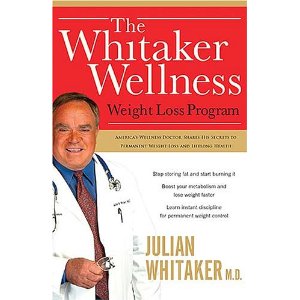
Note: This is a review. Click here to get the Whitaker Wellness Weight Loss Program!
Here’s something I discovered while updating this review that might surprise you: the famous Whitaker Wellness Institute that Dr. Julian Whitaker ran for nearly 40 years actually closed in 2019 when he retired. So while you can still buy his book “The Whitaker Wellness Weight Loss Program,” you can’t actually visit his clinic in Newport Beach anymore.
While investigating this diet plan for the second time, I realized the website hadn’t been updated in years. That’s the thing about researching older diet programs, sometimes you’re chasing ghosts of what used to be cutting-edge approaches.
But here’s the interesting part: Dr. Whitaker’s approach was actually ahead of its time in many ways, focusing on metabolic health and natural therapies long before that became mainstream. So even though his clinic is gone, understanding his methodology can still be valuable.

Dr. Whitaker’s weight loss program was built around what he called “metabolism correction,” which sounds fancy but was really about fixing the underlying reasons why people gain weight in the first place. His approach focused heavily on controlling insulin levels and blood sugar, which is pretty much what every modern weight loss expert talks about now.
The diet itself was essentially a very low-carb program, limiting you to about 10 grams of carbs per main meal. To put that in perspective, that’s less carbs than you’d find in a single slice of bread. You’d eat three small, protein-heavy meals plus 2-3 high-protein snacks throughout the day.
The program emphasized whole foods, healthy fats, and eliminating processed foods and sugar completely. Dr. Whitaker believed that by keeping carbs extremely low, you’d force your body into ketosis (burning fat for fuel instead of carbs), which would lead to rapid weight loss and improved energy.
He also incorporated what he called “punishment” strategies if you went off the diet. One example he gave was donating money to your least favorite charity every time you cheated. I actually kind of like this idea, though I’d probably end up funding a lot of causes I disagree with.
See more doctor based reviews.
What You Ate
The Whitaker program was basically a ketogenic diet before keto became trendy. Your meals would center around proteins like chicken, fish, beef, and eggs, plus low-carb vegetables like broccoli, spinach, and cauliflower.
For snacks, you’d have things like celery sticks with high-protein fillings, hard-boiled eggs, or small amounts of nuts. The book included a three-week menu plan with specific recipes designed to keep you under that 10-gram carb limit per meal.
What you couldn’t eat was pretty much everything else: bread, pasta, rice, potatoes, fruits (except tiny amounts), most dairy, and obviously anything with sugar. Even vegetables with natural sugars like carrots and onions were limited.
The approach was pretty rigid, which Dr. Whitaker acknowledged could be tough to stick with. He suggested preparing yourself mentally for the difficulty and having strategies in place for when cravings hit.
Why It Was Notable for Its Time
Back when Dr. Whitaker wrote this book (early 2000s), the medical establishment was still pushing low-fat, high-carb diets for weight loss. His focus on very low carbs and the connection between insulin and weight gain was considered pretty radical.
He was also one of the early advocates for looking at weight loss as a metabolic issue rather than just a calories-in-calories-out problem. The idea that certain foods could trigger hormonal responses that made weight loss harder wasn’t mainstream yet.
His clinic treated over 45,000 patients during its nearly 40-year run, and many of them came specifically for weight-related health issues like diabetes and metabolic syndrome. The success stories from his clinic helped validate his approach long before the current low-carb movement took off.
What Was Good About It
The scientific foundation was solid. Dr. Whitaker understood the insulin-weight connection decades before it became common knowledge. His emphasis on blood sugar control and metabolic health was genuinely ahead of its time.
The program was straightforward and didn’t require counting calories or complex meal planning. If it fit into your carb allowance, you could eat it. If it didn’t, you couldn’t. Simple rules can be easier to follow than complicated systems.
Many people reported rapid initial weight loss, which can be motivating. When you cut carbs that dramatically, you typically lose several pounds in the first week (mostly water weight, but still encouraging).
The focus on whole foods and eliminating processed junk was beneficial regardless of the weight loss aspect. Getting people off sugar and refined carbs is generally a good thing for overall health.
What to Consider in 2025
The biggest issue is that this approach is extremely restrictive. Ten grams of carbs per meal is tough to sustain long-term. Most people find that level of restriction leads to social difficulties and eventually to binge eating when willpower breaks down.
The lack of ongoing support is a major drawback now that the clinic is closed. Dr. Whitaker’s approach worked best with medical supervision and regular check-ins, which you obviously can’t get anymore.
Some of the science has been refined since the book was written. We now know that moderate low-carb approaches (50-100 grams per day) can be just as effective as very low-carb (under 30 grams) for many people, with much better adherence rates.
The book itself feels dated. The meal plans and recipes reflect early 2000s thinking about nutrition, and some of the food recommendations wouldn’t align with current understanding of healthy eating.
Customer reviews on Amazon are mixed, with many people criticizing Dr. Whitaker’s own appearance on the book cover, noting that he appeared overweight despite promoting a weight loss program. This is always awkward when diet book authors don’t seem to follow their own advice.
Final Thoughts
The Whitaker Wellness Weight Loss Program was an important stepping stone in the evolution of low-carb dieting, but it’s been surpassed by more flexible and sustainable approaches. Dr. Whitaker deserves credit for being early to the insulin-resistance party, but his extremely restrictive carb limits aren’t necessary for most people.
If you’re interested in the principles behind his approach, you’d probably be better served by looking into more modern ketogenic programs or even just general low-carb eating plans. The Mediterranean diet, for example, gives you many of the same metabolic benefits without the extreme restrictions.
The fact that his clinic is now closed means you’re essentially on your own if you want to follow his program, which isn’t ideal for such a restrictive approach. Most successful weight loss requires some kind of ongoing support system.
That said, if you’re someone who does well with very clear, rigid rules and you’re committed to an extremely low-carb lifestyle, the basic principles in his book are sound. Just don’t expect the kind of comprehensive support system that made his clinic successful.
Modern Alternatives to Consider
Since the original Whitaker program is no longer available as a complete system, here are some current approaches that offer similar benefits:
Ketogenic Diet Programs Modern keto approaches offer the same metabolic benefits as Whitaker’s plan but with more flexibility and better support resources.
Mediterranean Low-Carb Combines the insulin benefits of carb restriction with the sustainability of Mediterranean eating patterns.
Intermittent Fasting + Low-Carb Many people find that combining time-restricted eating with moderate carb reduction gives similar results to extreme carb restriction.
Medical Weight Loss Programs Doctor-supervised programs like BistroMD or local medical weight loss clinics can provide the kind of professional oversight that made Whitaker’s clinic effective.
FAQs
Can I still follow the Whitaker program without the clinic? You can buy the book and follow the meal plans, but you’d be missing the medical supervision, testing, and support that were key parts of the original program. Most experts wouldn’t recommend such an extreme approach without professional guidance.
Is 10 grams of carbs per meal safe? For most healthy adults, very low-carb diets are generally safe short-term, but this level of restriction can cause side effects like fatigue, constipation, and difficulty concentrating. Anyone with diabetes, kidney issues, or other health conditions should consult a doctor before attempting such a restrictive diet.
How does this compare to modern keto diets? Whitaker’s approach is more restrictive than most current ketogenic programs. Modern keto typically allows 20-50 grams of carbs per day total, while Whitaker limited it to 10 grams per meal (about 30 grams daily) but was less flexible about food choices.
What happened to Dr. Whitaker after the clinic closed? Dr. Whitaker retired in 2019 but continues to publish his newsletter “Health & Healing” and remains active with his Freedom of Health Foundation. The vitamin store associated with his clinic remained open for a while but appears to have limited operations now.
Are there any similar clinics still operating? While there’s no direct replacement for the Whitaker Wellness Institute, many integrative medicine clinics now offer similar approaches combining nutrition, lifestyle changes, and alternative therapies for weight loss and metabolic health.
Is the book still worth reading? The book has historical value for understanding the evolution of low-carb thinking, and some people find the straightforward approach appealing. However, the meal plans feel dated, and you can find more current information on low-carb eating from more recent sources.
Citations
- Whitaker, J. M. (2000). The Whitaker Wellness Weight Loss Program. Rutledge Hill Press.
- Whitaker Wellness Institute. (2019). Retirement announcement and clinic closure notice. Retrieved from whitakerwellness.com
- Amazon.com. (2025). Customer reviews for The Whitaker Wellness Weight Loss Program. Multiple customer reviews and ratings.
- Yelp. (2025). Whitaker Wellness Institute listing marked as “CLOSED.” Updated July 2025.
- ERB Foundation. Dr. Whitaker biography and clinic history. Retrieved from erbfoundation.com
- LinkedIn. (2025). Julian Whitaker, M.D. professional profile and clinic information.
- Dr. Whitaker’s Freedom of Health Foundation. (2015). Biography and background information. Retrieved from whitakerhealthfreedom.com
- Barnes & Noble. (2025). The Whitaker Wellness Weight Loss Program product description and availability.
- Target. (2025). Book availability and current retail information.
- Whitaker Wellness Vitamin Store. (2018). Post-closure operations and supplement access information.

I have three college degrees;a BS in Exercise Science, a MA in Physical Education, and an Ed.S in School Leadership. My adult life has been spent educating youth on how to eat properly and exercise. This is my passion.
- Reverse Health Diet Review - October 30, 2024
- The DASH Diet Plan - January 5, 2023
-
How To Do Portion Control For Weight Loss - June 30, 2022