Table of Contents
Zone Weight Loss
Note: This is a review. Click here to visit The Zone Diet Site.
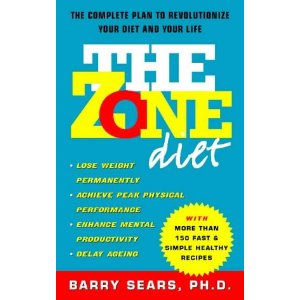
Ah, the Zone Diet. The granddaddy of “eat this exact ratio or your body will rebel against you” approaches. Back in 1995, when I was probably eating Pop-Tarts for breakfast and calling it a balanced meal because they had “fruit” filling, Dr. Barry Sears was out here telling people that the secret to optimal health was eating like a mathematician with OCD.
I’ll give the man credit: he’s still at it in 2025 at age 78, pumping out content about brain health and vegan Zone options like he’s running on some kind of anti-inflammatory superfuel. Meanwhile, I can barely remember where I put my keys, so maybe he’s onto something.
How the Plan Works
The Zone Diet is built around the magical 40-30-30 formula: 40% carbohydrates, 30% protein, and 30% fat. Dr. Sears, who’s a biochemist (which explains the precision), claims this ratio puts your body in “the Zone,” a metabolic state where inflammation decreases and fat burning increases.
The basic idea is that food is like medicine, and if you get the dosage wrong, your hormones throw a tantrum. Specifically, Sears believes that controlling insulin and other hormonal responses through precise macro ratios can reduce inflammation, which he sees as the root of most health problems.
You eat five times a day: three meals and two snacks, never going more than five hours without food. Each meal should contain no more than 400 calories (snacks are smaller), and you must hit those macro ratios every single time. It’s like playing nutritional Tetris, except if you mess up, your metabolism supposedly gets grumpy instead of just losing the game.
The diet uses two methods: the “hand-eye” method for beginners (using your palm to measure protein and your fist for carbs) or the more complex “Zone blocks” system for people who enjoy turning mealtime into a math problem.

What You Eat
Picture this: you’re constructing each meal like you’re building a tiny, edible pyramid. Your protein foundation might be skinless chicken, fish, egg whites, or tofu. On top, you’ll carefully arrange low-glycemic carbs like vegetables, berries, and oatmeal. Finally, you’ll drizzle on some healthy fats like olive oil or add a few nuts.
What you DON’T eat reads like a list of everything that makes life worth living: pasta, bread, bagels, potatoes, bananas, raisins, and basically anything that might make you spontaneously happy. Dr. Sears treats high-glycemic carbs like they’re nutritional villains plotting against your pancreas.
The approved carb list is heavy on vegetables and light on fun. You can have berries, but not bananas. Oatmeal is okay, but cereal is the devil. It’s like someone took all the foods that make you smile and put them in nutritional jail.
For fats, you’re looking at olive oil, nuts, and avocado. For protein, think lean and mean: fish, poultry, egg whites, and low-fat dairy. If you’re vegan, Dr. Sears has you covered with soy and pea protein options, though you’ll probably spend more time calculating protein ratios than a bodybuilder prep coach.
Why It Works (Sort Of) in 2025
Here’s the thing: Dr. Sears was talking about inflammation and hormonal responses to food decades before it became trendy. In 2025, when everyone from your yoga instructor to your barista has an opinion about inflammatory foods, his focus on this connection seems pretty prescient.
The Zone Diet is currently listed as one of U.S. News & World Report’s Best Diets of 2025, which means it has some staying power beyond just being a fad. The emphasis on portion control, regular eating patterns, and avoiding processed junk actually aligns with a lot of current nutritional science.
The 40-30-30 ratio does tend to keep blood sugar relatively stable compared to high-carb diets, and the higher protein content can help with satiety and muscle preservation. Plus, eating every few hours means you’re less likely to reach that “so hungry I could eat a cardboard box” state that leads to poor food choices.
Dr. Sears has also evolved with the times, now incorporating research on omega-3 fatty acids, polyphenols, and even addressing how the diet can work with GLP-1 medications for weight loss. He’s not just stuck in 1995 telling people to fear bread; he’s adapting his approach based on current research.
What I Like About It
The structure is genuinely helpful for people who struggle with portion control or have no idea what a balanced meal looks like. When every meal has clear guidelines, decision fatigue disappears. No more standing in the kitchen at dinner time wondering if a handful of crackers counts as cooking.
The focus on anti-inflammatory foods is ahead of its time and increasingly relevant. While Dr. Sears was preaching about inflammation in the ’90s, mainstream medicine is just catching up to the idea that chronic inflammation drives many health problems.
The hand-eye method is brilliantly simple. Your palm is always the right size for your body’s protein needs, and your fist works as a carb measure. It’s like having a built-in measuring system that you can’t forget at home (though I have questioned my hand’s reliability after a particularly large slice of pizza).
Unlike some extreme diets, the Zone allows for flexibility. No food is completely forbidden; it’s all about ratios and timing. You could theoretically work a small piece of cake into your day if you’re willing to sacrifice other carbs and do the math.
The emphasis on omega-3 fatty acids and quality fats was revolutionary when most diet experts were demonizing all fats. Dr. Sears was essentially doing Mediterranean-style eating before everyone realized the Mediterranean diet was awesome.
What to Consider (The Reality Check)
Let’s be honest: calculating macros for every meal is exhausting. I once tried to follow the Zone blocks system and ended up with spreadsheets that would make an accountant weep. Eating out becomes an exercise in estimation that would challenge a math professor.
The 400-calorie meal limit can leave some people (especially active men) feeling like they’re on a perpetual diet. When your dinner looks like a sad little portion sitting alone on a big plate, it’s hard to feel satisfied, no matter how perfectly balanced it is.
The low-carb aspect isn’t as extreme as keto, but it’s still restrictive enough to make social eating challenging. Try explaining to your Italian mother-in-law why you can’t eat her homemade pasta because it’s not “Zone-approved.” Good luck with that conversation.
The scientific claims are… ambitious. While the basic principles are sound, some of Dr. Sears’ specific claims about being in “the Zone” and precise inflammatory responses aren’t fully supported by independent research. The diet works, but maybe not for all the reasons he claims.
The supplement pushing is real. Dr. Sears sells Zone-branded everything: omega-3 oils, protein bars, various supplements. It sometimes feels like the diet is partly a vehicle for selling products, which makes me slightly skeptical of some recommendations.
The rigidity can lead to food anxiety. When you’re constantly calculating ratios and timing meals, eating becomes a clinical exercise rather than a enjoyable part of life. Some people thrive on this structure; others find it creates an unhealthy relationship with food.
Final Thoughts
The Zone Diet is like that friend who gives really solid advice but packages it in unnecessarily complicated instructions. The core principles are good: eat balanced meals, control portions, focus on anti-inflammatory foods, and maintain steady blood sugar. But did we really need to turn it into a mathematical equation?
Dr. Sears deserves credit for being ahead of the curve on inflammation and hormonal responses to food. His longevity in the field (30 years and counting) suggests there’s substance behind the marketing. The fact that he’s still actively researching and updating his approach in 2025 shows intellectual honesty rather than just riding on past success.
For people who love structure and don’t mind meal planning that resembles an engineering project, the Zone can be effective. The portion control and balanced macros will likely lead to weight loss and better blood sugar control for most people.
However, for the average person who just wants to eat healthier without becoming a nutritional accountant, there are simpler approaches that provide most of the same benefits. You can focus on anti-inflammatory foods, balanced meals, and regular eating patterns without calculating every gram.
The Zone Diet works, but it’s kind of like using a scientific calculator to do basic addition. Sure, you’ll get the right answer, but you might be overcomplicating things.
Modern Zone Adaptations (2025 Update)
Dr. Sears has kept the Zone relevant by addressing current health trends:
Zone and GLP-1 Medications He’s researched how the Zone Diet can complement medications like Ozempic and Wegovy, providing nutritional support for people using these drugs.
Vegan Zone Options With plant-based eating becoming mainstream, he’s expanded vegan protein options and meal plans, making the diet accessible to more people.
Brain Health Focus Recent content emphasizes how Zone eating can support cognitive function and potentially help with ADHD and age-related cognitive decline.
Technology Integration While still promoting the basic hand-eye method, there are now apps and online tools to help calculate Zone blocks and track ratios.
FAQs
Is Dr. Barry Sears still active in 2025? Yes! At 78, he’s still writing, researching, and producing content. His website is regularly updated with new articles and he hosts “The Wellness Zone Podcast” with Mary Perry.
Has the Zone Diet changed since the 1990s? The core 40-30-30 principle remains the same, but Dr. Sears has incorporated new research on omega-3s, polyphenols, and inflammation. He’s also adapted the approach for vegans and addressed how it works with modern medications.
Do I really need to calculate every meal? Not necessarily. Many people use the general principles (balanced meals, portion control, anti-inflammatory foods) without strict macro counting and still see benefits.
How does this compare to other popular diets in 2025? The Zone sits between Mediterranean and moderate low-carb approaches. It’s less restrictive than keto but more structured than intuitive eating. It emphasizes balance rather than eliminating entire food groups.
Are the Zone supplements necessary? Dr. Sears recommends omega-3 supplements since it’s hard to get enough from food alone, which is reasonable advice. However, the Zone-branded products are definitely more expensive than generic alternatives.
Can you eat out while following the Zone? It’s challenging but possible using the hand-eye method. You’ll need to estimate portions and make substitutions, which can be socially awkward but doable.
Citations
- Sears, Barry. (1995). The Zone: A Dietary Road Map. HarperCollins.
- Dr. Sears Official Website. (2025). Current articles on Zone Diet, brain health, and vegan options. Retrieved from drsears.com
- U.S. News & World Report. (2025). Best Diets rankings including Zone Diet. Updated March 19, 2025.
- Healthline. (2017). The Zone Diet: A complete overview. Retrieved from healthline.com/nutrition/zone-diet
- Zone Living. (2025). Official Zone Diet products and supplements. Retrieved from zoneliving.com
- Wikipedia. (2025). Barry Sears biography and Zone Diet information. Updated June 2, 2025.
- EBSCO Research Starters. Zone Diet overview and scientific evaluation.
- Dr. Sears. (2025). “Can Vegans Follow the Zone Diet?” Published May 27, 2025.
- Dr. Sears. (2025). “The Zone Diet and Brain Health: How to Fuel Peak Mental Performance.” Published June 3, 2025.
- Various Amazon customer reviews and testimonials for Zone Diet books and products.

I have three college degrees;a BS in Exercise Science, a MA in Physical Education, and an Ed.S in School Leadership. My adult life has been spent educating youth on how to eat properly and exercise. This is my passion.
- Reverse Health Diet Review - October 30, 2024
- The DASH Diet Plan - January 5, 2023
-
How To Do Portion Control For Weight Loss - June 30, 2022