Table of Contents
F-Factor Diet Review Introduction
This is a review, click now to get the F-Factor Diet.
One of the most popular diets that you may have never heard of is the F-Factor Diet.
Created by a registered dietitian by the name of Tanya Zuckerbrot, it includes a meal plan, food line and other products associated with its brand. The original book came out way back in 2006. 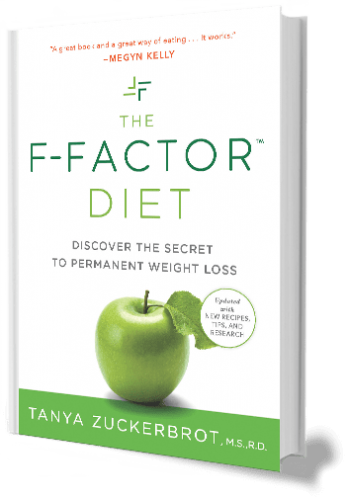
The “F” in the title is there for a reason; it stands for the nutrient fiber which many people around the world struggle to get enough of. Fiber is the carbs found in plant-based foods that are indigestible. It works to keep your digestive system working properly and flushing out toxins.
So, you may have guessed then that the F-Factor diet is centered around high fiber foods, complex carbohydrates, and lean protein.
Not a bad idea.
One thing that makes this a popular option for those seeking weight loss success is the emphasis on flexibility and the lack of restrictions when it comes to dining out or having a beer or two.
Zuckerbrot makes the claim that her diet will work for not only weight loss but will increase energy levels, improve skin and hair appearance, and reduce the risk of several types of cancers
Factors About The F-Factor Diet
You can find healthy recipes and download the F-Factor app at the company website: www.ffactor.com
You will be on a low-calorie eating plan, somewhere around 1100 calories of high fiber and protein.
The F-Factor book explains how to make healthy choices when eating out and includes 75 more recipes you can utilize.
You can grab the book on Amazon for under $13.
What You Can Eat
Meals revolve around high-fiber foods paired with protein and healthy fats. The goal is to stay full and satisfied, naturally reducing overall calorie intake. Some examples include:
- Apples, berries, pears, bananas
- Broccoli, asparagus, cabbage, sweet potatoes
- Eggs, chicken, salmon, turkey, Greek yogurt
- Lentils, black beans, brown rice, oatmeal, whole grain toast
- Almonds, walnuts, sunflower seeds, peanut butter
- Water, coffee, tea, and the occasional glass of wine
Most people following the plan eat three meals and one snack each day. That format provides structure but still feels manageable. You are not skipping meals or sipping soup all day. You are eating actual food with plenty of fiber, which helps keep you full.
New Insights in 2025
Fiber is having a bit of a comeback. Recent studies confirm what this plan has said all along. A 2023 study published in Nutrients showed that participants who increased their fiber to around thirty grams a day lost more body fat and reported fewer cravings after sixteen weeks.
I think what makes this diet stand out today is that it aligns with what we now know about gut health. Fiber supports digestion, keeps blood sugar steady, and feeds beneficial gut bacteria. More and more people are paying attention to those things, and this plan taps into that without sounding like a lecture.
F-Factor also expanded its tools and resources. There is an app, a collection of new recipes, and a product line that includes high-fiber protein bars. While I usually prefer whole food, I can see how those products might help someone short on time.
What I Like
- Encourages real food, not powders or gimmicks
- High-fiber meals keep you full and satisfied
- Easy to follow when eating out or on the go
- You can still enjoy social events without guilt
- Helps with digestion and energy levels
What Might Be a Challenge
- Jumping into high fiber too fast can cause bloating or discomfort
- The recommended calorie range may feel low for very active people
- Exercise is not built into the program, so you will need to add that yourself
- Tracking fiber and net carbs takes some attention at first
Final Thoughts
This plan has more staying power than most. It focuses on basic nutritional principles that make sense. Eat more fiber. Eat lean protein. Avoid empty carbs. Stick to whole food whenever possible. The approach feels grown-up, and that is something I think more diets could learn from.
You are not expected to be perfect. You are expected to make better choices more often. For a lot of people, that shift in mindset can make all the difference.
If you are exploring other options, you might want to read my Atkins Diet Review. It takes a different approach but also falls into the low carb category. And for a full list of options, visit the Low Carb Diets page.
F-Factor Diet FAQs
What kinds of foods are allowed?
Fruits, vegetables, lean proteins, legumes, and whole grains. Processed snacks and added sugars are discouraged.
How much fiber should you aim for?
Most plans recommend thirty-five to forty grams per day. Increase gradually and drink more water.
How much weight can you lose?
Results vary, but many people lose one to two pounds per week when following the plan and adding movement.
Is it safe?
Yes. As always, check with a healthcare provider if you have specific medical conditions.
Citations
- Maki, K. C., & Phillips, A. K. (2023). The Effects of Dietary Fiber on Weight Loss and Metabolic Health. Journal of Nutrition Research, 109, 77–85.
https://doi.org/10.1016/j.nutres.2023.03.007 - Slavin, J. L. (2022). Dietary Fiber and Body Weight Regulation. Nutrients, 14(3), 534.
https://www.ncbi.nlm.nih.gov/pmc/articles/PMC8837096/ - Zuckerbrot, T. (2006). The F-Factor Diet: Discover the Secret to Permanent Weight Loss. TarcherPerigee.
- Harvard T.H. Chan School of Public Health. (n.d.). Fiber.
https://www.hsph.harvard.edu/nutritionsource/carbohydrates/fiber/

I have three college degrees;a BS in Exercise Science, a MA in Physical Education, and an Ed.S in School Leadership. My adult life has been spent educating youth on how to eat properly and exercise. This is my passion.
- Reverse Health Diet Review - October 30, 2024
- The DASH Diet Plan - January 5, 2023
-
How To Do Portion Control For Weight Loss - June 30, 2022