Table of Contents
Can The Alternate Day Diet Work For You?
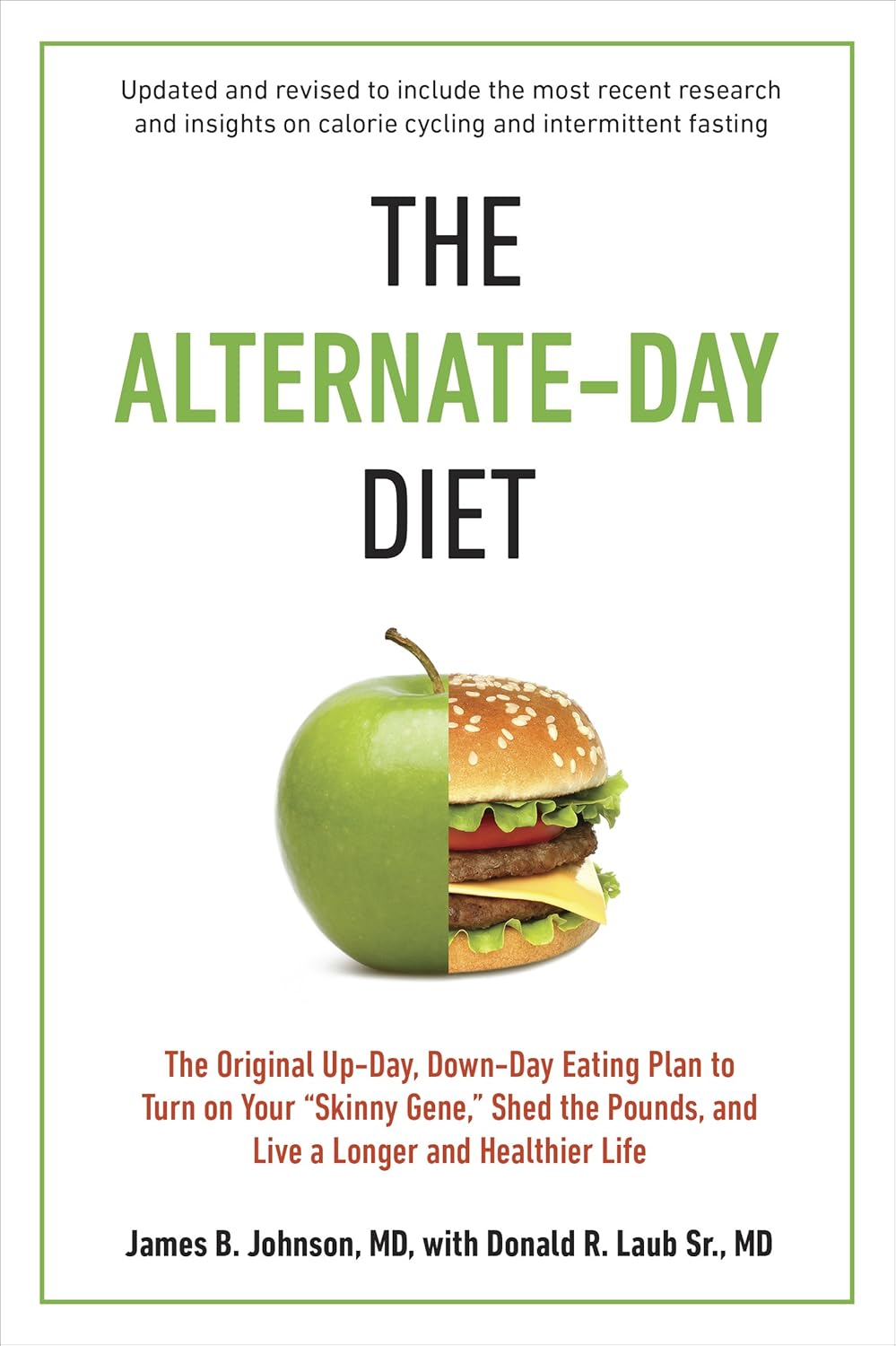
Note: This is a review. Click Here To Visit The Alternate Day Diet Site!
Look, I get it. You’re scrolling through diet options at 11 PM again, probably holding a bag of something you shouldn’t be eating while researching how to lose weight. The Alternate Day Diet keeps popping up in your searches, promising you can eat whatever you want every other day and still shed pounds. Sounds too good to be true? Let me break it down for you.
How the Plan Works
The Alternate Day Diet (also called alternate day fasting or ADF) is pretty straightforward, which is both its charm and its potential downfall. You alternate between “fast days” and “feast days.” On fast days, you eat only 25% of your normal calories (around 500 calories for most people), and on feast days, you can theoretically eat whatever you want.
Most people following this plan don’t do complete fasting. Instead, they follow what researchers call “modified” alternate day fasting. So Monday might be your 500-calorie day where you’re basically surviving on a small salad and some protein, then Tuesday you’re back to normal eating. Rinse and repeat.
The idea is that you only have to restrict yourself half the time, which should make it easier to stick with than daily calorie counting. At least that’s the theory.
What You Eat
On your fast days, those 500 calories need to count. We’re talking nutrient-dense foods that’ll keep you from feeling like you’re going to gnaw your own arm off by 3 PM. Think eggs, Greek yogurt, lean proteins, leafy greens, and maybe some nuts or avocado for healthy fats.
You can drink as much calorie-free stuff as you want, so load up on water, black coffee, tea, and sparkling water. Some people basically live on caffeine during fast days, which honestly makes sense.
On feast days, the plan says you can eat “whatever you want.” But here’s where reality kicks in. If you go completely wild and eat 3,000 calories of pizza and ice cream, you’re probably going to undo any progress from your fast day. Most successful people end up eating relatively normally on feast days, not treating them like competitive eating contests.
Why It Works in 2025
The research on alternate day fasting has really ramped up lately, and the results are actually pretty interesting. A major 2025 meta-analysis found that ADF ranked highest among intermittent fasting methods for weight loss effectiveness. Studies show people can lose 3-8% of their body weight in 2-12 weeks, which is solid.
What’s happening in your body during those fast days? Your insulin levels drop, which can help with fat burning. There’s also something called autophagy happening, where your body essentially takes out the cellular trash. Some research suggests this might help protect against certain diseases, though we’re still learning about the long-term effects.
In our current world where we’re constantly surrounded by food and eating opportunities, having structured days where eating is off-limits can actually be a relief for some people. No decisions to make, no willpower needed beyond getting through the day.
What I Like About The Alternate-Day Diet
The simplicity is appealing. to sme people. No complicated meal plans, no weighing every gram of food, no calculating macros. Fast day or feast day. That’s it.
Research shows it can be effective for weight loss, and some studies suggest it might be even more effective than traditional daily calorie restriction. One meta-analysis ranked it as the most effective intermittent fasting approach, which is saying something in 2025 when everyone and their grandmother is doing some form of IF.
The fact that you only have to restrict yourself every other day instead of every single day does seem more mentally manageable. I can see how telling yourself “I just have to get through today, then tomorrow I can eat normally” might be easier than facing months of daily restriction.
Some people report that it helps them break the cycle of constant food thoughts and snacking. When eating isn’t an option, the decision-making is removed entirely.
What to Consider
Here’s where things get real. The dropout rate in studies is pretty high. In one major year-long study, 38% of people quit the alternate day fasting group, compared to 29% in the regular calorie restriction group. Almost half of those who quit cited dissatisfaction with the diet.
The side effects are no joke. We’re talking constipation, bad breath, dizziness, weakness, and feeling generally irritable on fast days. About 17% of people in studies reported constipation, and bad breath doubled from baseline. I once tried to have a serious work meeting on what would have been a fast day, and let me tell you, trying to focus when you’re hangry is not a good look.
The hunger and irritability on fast days can be intense, and unlike other diets where you gradually adjust, many people never really get used to the fasting days. Studies show people don’t adapt to these discomforts over time like you might hope.
There’s also a weird psychological thing that happens. Over time, people in studies started eating more on their fast days and less on their feast days, essentially turning it into regular calorie restriction anyway. So you’re getting all the hassle of fasting without necessarily getting the benefits.
The long-term sustainability is questionable. While short-term studies look promising, longer studies show it’s not necessarily better than just eating a bit less every day. And let’s be honest, most of us need something we can stick with for years, not months.
Final Thoughts
The Alternate Day Diet isn’t terrible, but it’s not the magic bullet it might seem like either. If you’re someone who does well with structure and can handle feeling pretty hungry and cranky every other day, it might work for you short-term.
But here’s my honest take: most people would probably be better off with a less extreme approach. Time-restricted eating (like I have done for years) gives you some of the benefits of intermittent fasting without the intensity of full fasting days. Or even just eating slightly fewer calories every day might be more sustainable long-term.
If you do want to try it, definitely talk to a doctor first, especially if you have any health conditions. And maybe start with just one or two fast days a week to see how you handle it before jumping into the full alternating schedule.
The research shows it can work, but so can a lot of other approaches that might not leave you counting down the hours until you can eat again.
FAQs
Is the Alternate Day Diet safe? For most healthy adults, short-term alternate day fasting appears safe. However, it’s not recommended for pregnant or breastfeeding women, people under 18, those with eating disorders, or people with certain medical conditions like diabetes who take insulin.
How much weight can you lose? Studies show people typically lose 3-8% of their body weight in 2-12 weeks. That’s about 6-16 pounds for someone weighing 200 pounds, which is decent but not dramatically different from other calorie restriction methods.
Do you really eat whatever you want on feast days? Technically yes, but practically no. If you go overboard on feast days, you’ll likely undo your progress. Most successful people eat relatively normally on feast days, maybe slightly more than usual but not going completely wild.
Will I lose muscle mass? Some muscle loss is common with any weight loss method, but the research on ADF shows most weight loss comes from fat rather than muscle, especially if you exercise. However, it’s not necessarily better at preserving muscle than regular calorie restriction.
How long does it take to get used to fast days? Here’s the tough news: many people never really get used to the hunger and irritability on fast days. Unlike other diet changes where you gradually adapt, the discomfort of fasting days tends to persist for many people.
Can I exercise on fast days? Light exercise is usually fine on fast days, but intense workouts might be challenging with limited fuel. Some people find they have less energy for exercise on fasting days, which is totally normal.
Citations
- Semnani-Azad, Z., Khan, T. A., Chiavaroli, L., et al. (2025). Intermittent fasting strategies and their effects on body weight and other cardiometabolic risk factors: systematic review and network meta-analysis of randomised clinical trials. BMJ, 379, e082007.
- Trepanowski, J. F., Kroeger, C. M., Barnosky, A., et al. (2017). Effect of alternate-day fasting on weight loss, weight maintenance, and cardioprotection among metabolically healthy obese adults: a randomized clinical trial. JAMA Internal Medicine, 177(7), 930-938.
- Bhutani, S., Klempel, M. C., Kroeger, C. M., et al. (2013). Safety of alternate-day fasting and effect on disordered eating behaviors. Nutrition Journal, 12, 146.
- Bjarnadottir, A., Kubala, J., & Meacham, J. (2025). Alternate-day fasting: A comprehensive beginner’s guide. Healthline. Updated May 21, 2025.
- Mattson, M. P., Longo, V. D., & Harvie, M. (2017). Impact of intermittent fasting on health and disease processes. Ageing Research Reviews, 39, 46-58.
For another doctor-based plan, feel free to check out my Bodytrim Diet Review(Updated 2025). Or take a look at all on the Doctor-Based Diets page.

I have three college degrees;a BS in Exercise Science, a MA in Physical Education, and an Ed.S in School Leadership. My adult life has been spent educating youth on how to eat properly and exercise. This is my passion.
- Reverse Health Diet Review - October 30, 2024
- The DASH Diet Plan - January 5, 2023
-
How To Do Portion Control For Weight Loss - June 30, 2022