Can You Lose Weight On The Aztec Diet?

Have you ever wanted to eat like the ancient Aztecs?  Well, here is your chance.
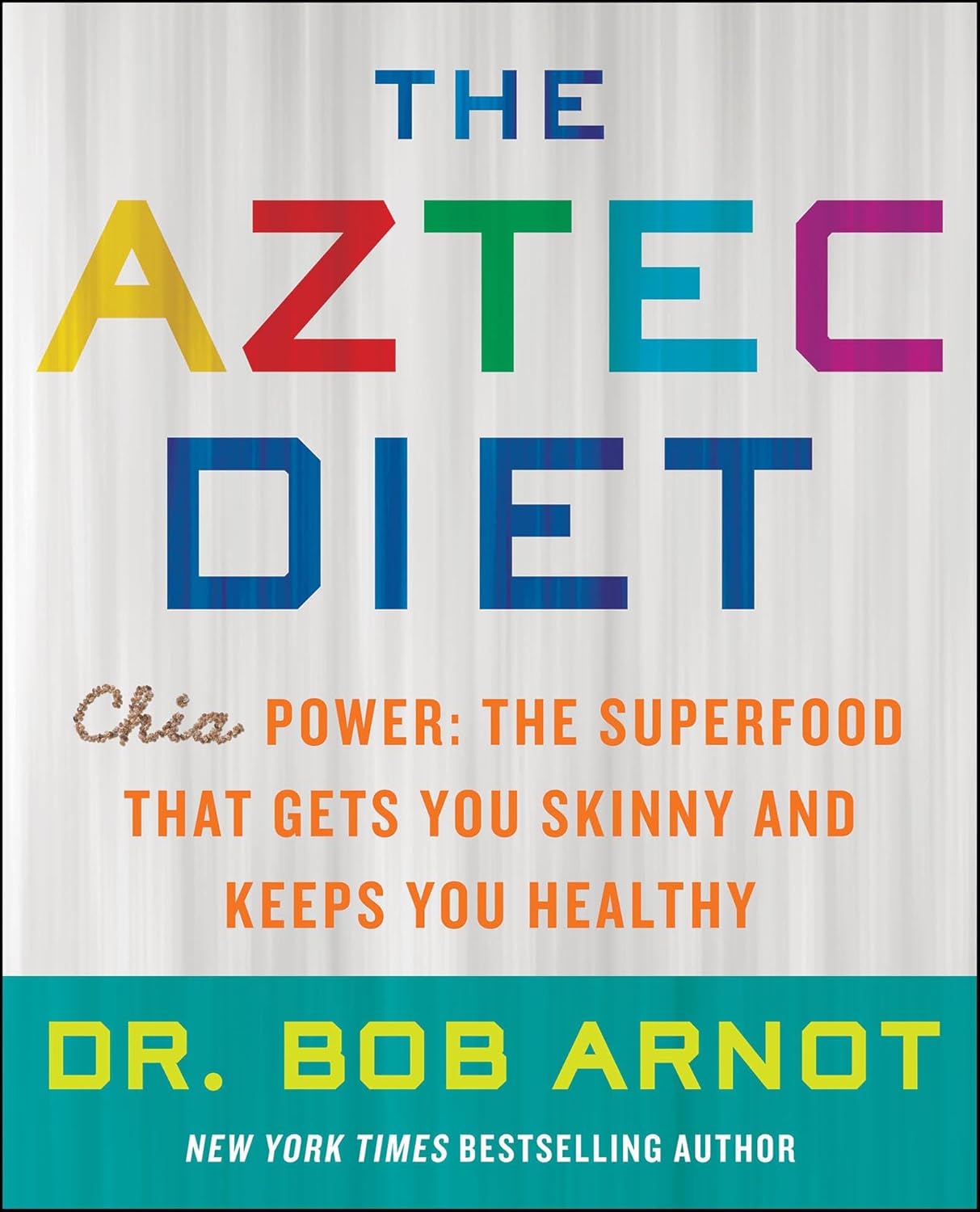
The aztec diet

The Aztec Diet has one of those names that makes you feel like you are about to unlock an ancient secret. I half expected it to come with a stone tablet and a torch-lit ceremony. Turns out, it is actually a modern diet based on an old staple food: chia seeds. Yes, those same seeds people used to smear on a terra cotta sheep back in the 80s.

The diet was created by Dr. Bob Arnot, a physician and author who decided to take a deep dive into the diet of ancient Aztec warriors and spin it into a modern health plan. It focuses heavily on superfoods, plant-based ingredients, and…you guessed it, lots of chia.


How the Plan Works

The Aztec Diet is broken into three phases. In phase one, you are basically sipping smoothies made with chia seeds and other nutrient-rich ingredients. This phase is meant to detox your system and give your gut a break. I am not usually into detoxes unless they involve my email inbox, but this one is fairly short and full of fiber.

Phase two starts to introduce actual solid food. You still drink chia smoothies, but now you get meals with lean protein, vegetables, and whole grains. By phase three, you are eating mostly whole foods with a focus on clean proteins, leafy greens, legumes, and—you guessed it again—more chia seeds.

There is a big emphasis on eating in a way that fuels your body and keeps inflammation down. You are supposed to stay away from refined sugar, processed snacks, and anything that comes in a crinkly package with cartoon mascots.


What You Eat

Let me break this down clearly, because when people hear “chia smoothies,” their brains go to pudding mode. The foods in this diet include:

  • Chia seed smoothies with fruit, unsweetened almond milk, and protein powder

  • Grilled chicken, salmon, turkey, tofu, and lentils

  • Quinoa, brown rice, black beans, and chickpeas

  • Leafy greens like spinach, kale, and arugula

  • Berries, apples, pears, and citrus

  • Healthy fats from avocado, olive oil, and yes, more chia

You are eating five times a day, three smoothies and two whole food meals to start. This might sound like a lot of prep, but the smoothies are pretty quick once you get your blender routine down.

I have never personally committed to a smoothie diet, but I did once make one that exploded all over my kitchen ceiling. Still recovering from that one.


Why It Works in 2025

This diet is still relevant because it lines up with what nutrition experts talk about now. High fiber, anti-inflammatory foods, lower sugar, and smart carbs are all part of the equation. The Aztec Diet puts chia seeds at the center, which are loaded with omega-3s, fiber, and protein.

And the focus on smoothies? Not a gimmick. For people with busy schedules and no time to cook three meals a day, having two or three smoothies can be a simple way to stay on track. It is also helpful if you are trying to control portions without counting every bite.

phenq_EN_T_Taiylah-600x300

What I Like

  • The chia focus is different and nutrient-dense

  • You eat real food, not just powders or bars

  • It teaches solid habits like avoiding sugar and eating more plants

  • The plan is flexible once you get through the early phases

  • There is science behind the emphasis on omega-3s and gut health

And let’s be honest, anything that helps regular people remember to eat some fiber is doing society a favor.


What to Consider

  • If you do not like chia seeds, this is going to be a very long ride

  • The first phase might feel limited if you are not used to drinking meals

  • It does take some planning, especially with fresh ingredients

  • The book can be a little intense with the science if you are not into that sort of thing

Personally, I found the concept more interesting than some cookie-cutter plans. (I did have to Google how to pronounce “quinoa” the first time I tried it, so clearly I am not always the smoothest health guru).


Final Thoughts

The Aztec Diet takes a unique angle by building a modern health plan around ancient food wisdom. You will eat more fiber, fewer processed snacks, and actually learn how to put together a healthy plate. It is not magic, but it makes sense if you like structure with some flexibility.

If you are into smoothies, chia seeds, and avoiding processed junk without giving up flavor, this could work for you. It is also a solid fit for anyone who wants to ease into plant-heavy eating without giving up meat entirely.

For another doctor-based plan, feel free to check out my Alternate Day Diet Review (Updated 2025). Or take a look at all on the Doctor-Based Diets page.


FAQs

Do you only drink smoothies on this plan?
No. The smoothies are key in phase one, but you eat full meals in later phases with lean protein, whole grains, and vegetables.

What are the health benefits of chia seeds?
Chia seeds are high in fiber, omega-3 fatty acids, and protein. They help with digestion, fullness, and blood sugar balance.

Can I do this diet long-term?
Yes. Once you reach phase three, it becomes a maintainable eating plan centered around whole, unprocessed foods.

Is this considered low carb?
It is not a strict low-carb diet, but it avoids sugar and refined carbs while focusing on fiber and smart starches like quinoa and legumes.


Citations

  • Arnot, Bob. The Aztec Diet: Chia Power: The Superfood That Gets You Skinny and Keeps You Healthy. HarperOne, 2013.

  • Mayo Clinic. Summary on chia seeds and their role in nutrition.

  • WebMD article on fiber and weight loss strategies.

  • Harvard Health Publishing. Review of anti-inflammatory diets and their health impacts.

  • Livestrong overview on the benefits of chia and plant-based eating.


Joel Dreher MS EdS
Latest posts by Joel Dreher MS EdS (see all)